Sometimes, Mac users need to run Windows software. Maybe there’s a program you need for work that doesn’t offer a Mac version, or maybe you occasionally need to test websites in Internet Explorer. Whatever you need Windows for, Parallels is the best tool for the job.
Parallels Desktop 13 for Mac is fully optimized for macOS Sierra—as a host or guest OS. Distraction free presentation mode for both Mac and Windows, including Keep Mac Awake, Hide Desktop Files, Do Not Disturb, and Start in Full Screen quick modes. To add Windows or another operating system to your Mac, Parallels Desktop creates a. How to get your copy of Parallels Desktop 13 for Mac: If you’re an existing customer, you can upgrade right now by clicking here. If you’re a new customer, you can purchase your copy of Parallels Desktop 13 here, or if you’re still on the fence, test it out in our free trial.
Why Use Parallels Instead of Boot Camp or VirtualBox?
RELATED:How to Install Windows on a Mac With Boot Camp
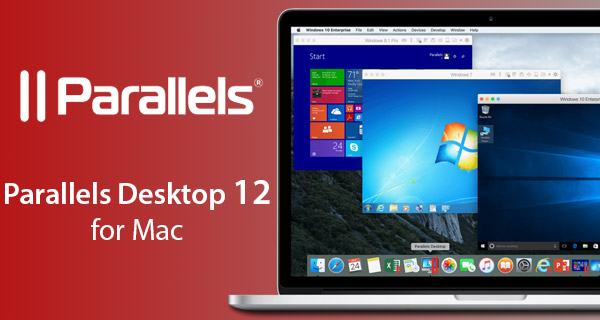
Sure, you could set up your Mac to run Windows with Boot Camp, but that means restarting your computer every time you need to use Windows. Parallels runs Windows within macOS, using what’s called a Virtual Machine. This allows you to quickly switch between the Mac and Windows desktops. You can even combine the two desktops, if you want, and run Windows software right on your Mac desktop from your Mac’s dock.
Virtual machines are complicated, but Parallels makes it reasonably simple to set one up and use it. There are other virtual machine options available to Mac users, including the open source VirtualBox, but Parallels is different in that it’s designed exclusively with Mac users in mind. Parallels costs more (since VirtualBox is free and Parallels is not), but there are hundreds of little design touches that help make running Windows within macOS as painless as possible, and that make setting everything up quick and easy. it’s well worth the cost.
How Much Does Parallels Cost?
Browsing the Parallels website, it can be a little tricky to find out what the product actually costs. So here’s a quick breakdown:
- Purchasing the latest home version of Parallels Desktop costs $80 as of this writing. This lets you run Parallels on a single Mac.
- Upgrading from one version of Parallels to another generally costs $50, and will probably be necessary every couple of years if you keep installing the latest versions of macOS.
- A $70 annual subscription gives you access to all updates “for free,” according to the Parallels website.
RELATED:How to Make Linux and macOS Virtual Machines for Free with Parallels Lite
If you just want to try out Parallels and see if it works for you, you can: there’s a 14 day trial of the software, which you can access without providing a credit card number. There’s also Parallels Desktop Lite, which is free on the Mac App Store and lets you create both Linux and macOS virtual machines. Parallels Desktop Lite can only run Windows virtual machines if you pay for a subscription, however.
One more note: purchasing Parallels does not give you a Windows license, or a Windows product key. If you have a Windows installation CD or USB key handy with a valid license you can use that, otherwise you will need to purchase Windows 10 from Microsoft to create a Windows 10 virtual machine.
RELATED:You Don’t Need a Product Key to Install and Use Windows 10
We’ll point out that you don’t technically need a product key to install and use Windows 10—Microsoft basically gave up enforcing their license requirements with Windows 10, and you can download Windows 10 right from Microsoft at no cost (you’ll probably want it in the form of an ISO file). Legally speaking, however, you still need a product key to use Windows, even in a virtual machine.
How to Install Windows in Parallels
Got everything you need? Good. The new virtual machine wizard, which launches the first time you open Parallels, makes the process simple.
Assuming you already have a Windows CD or ISO, click the “Install Windows or another OS from a DVD or image file” button.
The ISO or DVD should be found automatically; otherwise, click the “Locate Manually” button. Then click “Continue.”
You’ll be asked whether you want an Express installation, which automates the installation process so that you don’t need to enter the product key or click “Next” during the installation process.
Choose this option if you want, otherwise plan on babysitting the installation a little bit.
Next you’ll be asked what you plan on using this virtual machine for: work-related software or gaming.
If you select Games only, the virtual machine will be set to use a lot more resources, so only click that if you intend to do serious gaming in the virtual machine (which is probably not a great idea). Also make sure your Mac even has enough resources to dedicate—if you spread your computer’s resources too thin, your virtual machine will be very slow. You can change these settings later, but I recommend going with “Productivity” in almost all cases.
Finally, you’ll be asked for a few details: what the machine should be named, where it should be located, and whether you want a shortcut to the machine on your desktop.
You can also configure the settings before installation—don’t worry, you can tweak any of those later if you’d rather not dive in right now. Click “Continue.”
The Windows installer will run. If you selected the Express installation, you won’t need to do anything: just watch as Windows installs. If not, you’ll have to click “Next” a bunch of times and enter your product key, as is normal for installing Windows.
The installation process can take a while, if mechanical hard drives or a DVD is involved. If everything is running off an SSD, however, you’ll be up and running in a few minutes.
Eventually you’ll see the Windows desktop! We’re almost done.
How to Seamlessly Integrate Your Virtual Machine Into macOS
That’s all well and good, and you can start using Windows now—but if you really want to get the best of what Parallels has to offer, you have a few more steps ahead of you.
At the top-right of your virtual machine you’ll see a caution sign. This is letting you know that Parallels Tools needs to be installed. Installing this lets you move your mouse between macOS and Windows in one swift motion, and also makes it possible to access your Mac files from within Windows. To get started, click that caution sign, then click “Install Parallels Tools.”
Parallels For Mac Free
Doing this will mount a virtual CD in the Windows virtual machine. You’ll be asked what you want to do by Windows; select “Install Parallels Tools.”
The installer will take a few minutes, and eventually will require you to restart Windows. Do that and you’ll be up and running: your virtual machine will be integrated with macOS.
Once Parallels Tools is installed, Windows integrates very cleanly with macOS. There are all kinds of examples of this:
- Moving your mouse to your Windows virtual machine is seamless.
- Anything you copy to your Windows clipboard can be pasted in Mac apps, and vice-versa.
- The Documents, Downloads, and Desktop folders in Windows are symbolically linked to the same folders in macOS. Change a file in one place and it changes in the other.
- If you have Dropbox or iCloud running in macOS, those folders are available in Windows Explorer.
- If you have OneDrive set up in Windows, that is available to you in macOS.
- Individual Windows programs are shown in your Mac’s dock.
We could go on: the extent of the integrations is staggering. If any of them bother you for any reason, you can change them by shutting the virtual machine down, then clicking the Settings button for it.
Head to the “Sharing” tab to disable the folder sharing.
And head to the “Applications” tab to stop Windows applications from showing up in your Mac dock.
There are all kinds of other settings we could explore, but this article is only a starting point. Dive in and experiment.
More Than Just Windows
Parallels isn’t just for running Windows, either: you can use it to set up Linux, ChromeOS, and even macOS virtual machines.
We outlined how to create Linux and macOS Virtual machines in Parallels Desktop Lite, and the process is identical for the full version of Parallels Desktop, so check out that article if you’re interested.
RELATED:How to Free Up Disk Space in Parallels
If you intend to create a lot of virtual machines, you should also read about freeing up disk space in Parallels, because these machines will eat up a lot of hard drive space.
READ NEXT- › What Should You Do If You Receive a Phishing Email?
- › Why Do You Have to Log In to Your Home PC, Anyway?
- › The Best New Features in Android 10, Available Now
- › How to Use the chown Command on Linux
- › What’s New in Windows 10’s 20H1 Update, Arriving Spring 2020
Download Parallels Desktop 13 Crack with Latest Working Setup
If you are like one of those people who want to use Mac but also want to install Windows on Mac, No problem! Here is a solution for this wish of yours. You can download the complete latest version setup with Parallels desktop 13 crack here. This software enables users to enjoy Windows on Mac and thus you can install all the applications on Mac that you can use on windows.
Benefits of Using Parallels 13 Desktop:
How To Get Parallels 13 For Free Mac And Cheese
Many people want to use mac just because of its reliability and fast processor. Also, many people are Apple product lovers. But, one thing that stops them from buying Mac is that they cannot install all the applications on Mac which they could install on windows. However, developers have made a solution for this problem in the form of Parallels Desktop. It is a software that enables the user to use two operating systems at the same time on Mac. Similarly, this also enables them to install all those applications which they could install on Windows.
We Need Parallels Desktop Crack:
So, as described above, the benefits of using parallels desktop 13 crack applied version is that it enables a user to enjoy Windows on Mac without affecting the processor’s working. But, the problem is that this software is not free. This software can be installed for a limited time on trial basis. After the trial, you have to purchase this software which almost costs you $69.99 US Dollars per year.
So, even after expending an amount of $69.99, you just get its subscription for a year. Afterward, you have to re-subscribe it for the same amount. This makes it a very expensive software. But, you don’t need to worry because our team has brought Parallels Desktop crack. On this website, you will find a crack of this software which will enable you to use this software for lifetime. In addition, the interesting thing is that you do have to spends even a single penny to buy this Parallels Desktop crack. It is absolutely free to download and use.
Features You Can Enjoy in Parallels Desktop 13 Crack:
Parallels Desktop for Mac 13 comes with many interesting features that make it fun to use.
- Installing Windows on Mac has been made very easy by this software.
- User can install hundreds of Windows applications including MS Office, Visual Studio, Internet Explorer and many other without compromising on Mac performance.
- You can use Windows and macOS side by side.
- This is up to the user to use windows in full mode or in integrated mode with macOS.
- Windows works on Mac without slowing down your mac.
How to Use Parallels Desktop Crack?
Developers have made it very easy to use Parallels Desktop 13 crack. You just need to download the setup from our website and run that file on your system. On a different note, if you enjoy music then I recommend you trySpotify Premium Crack [2018] for Windows and Mac Free Download for best high-quality music.
Parallels Download For Mac
- It will then ask for a serial key. You need to skip that for a while and finish the installation of crack first.
- After that, you just need to go to the destination where you have installed your patch.
- This can be C drive or any other depending on which drive you have installed.
- You have to copy a file named “Crack.exe” from there and paste it in the folder where you have just installed Parallels Desktop 13.
- Your installation of crack has completed and now you can use this software for lifetime.
Mac Parallels Desktop
System Requirements to Install Parallels Desktop:

Your Mac should fulfill following requirements to install Parallels Desktop 13.
Running Parallels On Mac
- macOS High Sierra 10.13*, macOS Sierra 10.12 or later.
- At least 4 GB memory while 8 GB recommended.
- Your system should have 850 MB of disk space on the boot volume.
- After the release of macOS 10.13, you will need to update Parallels Desktop.